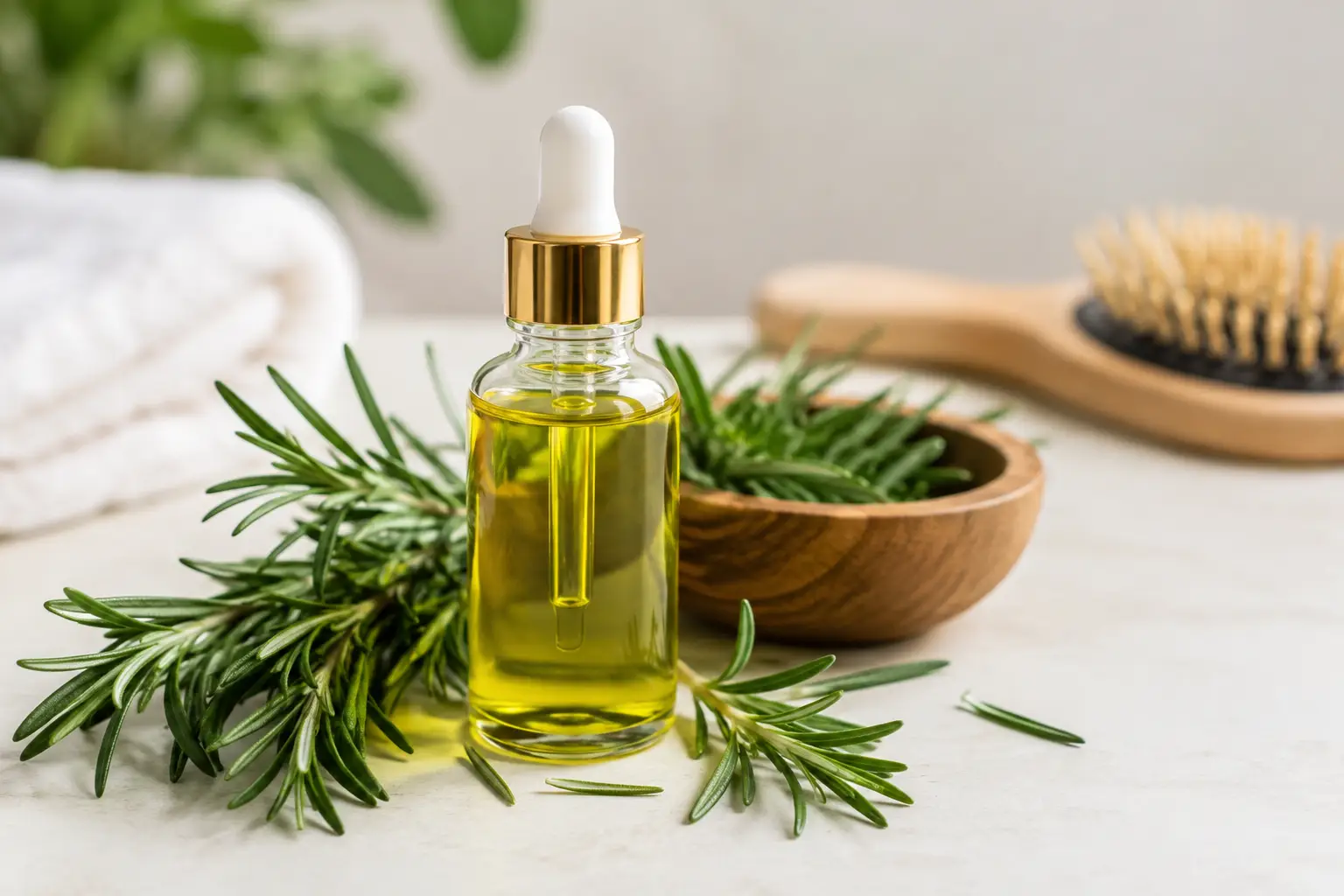
Best Rosemary Oil for Hair Growth to Buy
A rosemary oil that sits untouched in the bathroom cabinet will not transform your routine. The best rosemary oil for hair growth is one you can apply comfortably, consistently and safely to your scalp - without leaving your roots greasy, irritated or weighed down.
Rosemary has earned its place in hair-care routines because it brings a fresh, herbaceous feel to scalp massage and works beautifully alongside nourishing carrier oils. But not every bottle is the same. Some are pure essential oils that must be diluted before use; others are ready-to-apply scalp oils blended with castor, jojoba, argan or coconut oil. Choosing the right format is what turns a hopeful purchase into a routine you will actually keep.
What makes the best rosemary oil for hair growth?
Start with the label, not the front-of-bottle promise. A quality rosemary oil should clearly state whether it is a pure essential oil or a pre-diluted treatment. Pure rosemary essential oil is highly concentrated. It can be a great addition to a personalised hair routine, but it should never be applied neat to the scalp.
For most shoppers, a pre-diluted rosemary scalp oil is the easiest choice. It removes the guesswork, gives you a smoother application and often includes other hair-loving ingredients. Think jojoba oil for a lightweight, scalp-friendly feel, castor oil for a richer treatment, or argan oil for softness through dry lengths.
Look for a simple ingredient list and a formula that suits your scalp rather than chasing the most ingredients possible. A blend can be useful, but a long list of heavy oils, strong fragrance and unnecessary extras may not be ideal if your scalp is prone to buildup or sensitivity.
When comparing options, give these details real weight:
Rosemary format: Choose pure essential oil only if you are happy to dilute it correctly. Choose a ready-made blend for quick, fuss-free use.
Carrier oils: Jojoba and grapeseed tend to feel lighter; castor and coconut oil offer a more intensive treatment but can feel richer on fine hair.
Scalp comfort: Avoid anything that stings, burns or leaves persistent redness. A treatment should feel soothing, not challenging.
Packaging: A dropper, pointed nozzle or scalp applicator helps place oil on the scalp instead of soaking the hair lengths.
Pure rosemary oil or a ready-made blend?
This choice depends on how much control you want. A pure essential oil lets you create your own blend, which can be helpful if you already know your favourite carrier oil. Add only a few drops to a tablespoon of carrier oil, mix well, and use the blend promptly. More is not better - concentrated essential oils can irritate the skin when overused.
Ready-made rosemary hair oils are the smarter pick for anyone who wants to get started straight away. They are particularly useful if you are applying treatment two or three times a week and do not want to measure, mix and store your own formula. Look for wording such as “scalp oil”, “hair growth oil” or “pre-diluted rosemary blend”, then check the ingredient list to confirm what is inside.
If your hair is fine or gets oily quickly, choose a lightweight blend and use a small amount only at the roots. If you have thick, curly, coily or very dry hair, a richer rosemary and castor oil blend can make a satisfying pre-wash treatment. There is no single best texture for every hair type. The best one is the formula that supports your scalp without making wash day harder.
Match your rosemary oil to your scalp concern
For a dry, tight-feeling scalp, look for rosemary paired with jojoba, argan or a small amount of vitamin E. These ingredients can help the massage feel more conditioning while protecting brittle-looking lengths. Apply with the pads of your fingers rather than your nails, which can scratch an already uncomfortable scalp.
For flaky scalp concerns, keep the routine gentle. Rosemary oil may feel refreshing, but it is not a substitute for a targeted dandruff treatment when flakes, itchiness or redness are persistent. Use a scalp-friendly cleansing routine and stop any oil treatment that appears to make congestion or itching worse.
For thinning-looking hair, focus on placement and consistency. Use a nozzle or dropper to work through sections, especially around the parting, temples and crown where hair can look less dense. Pairing a rosemary oil routine with a volumising shampoo, lightweight conditioner and instant hair fibres or root concealer can give you both long-term care and immediate confidence.
For breakage-prone lengths, do not rely on scalp oil alone. Hair growth begins at the scalp, but retaining length means treating the ends kindly too. Limit aggressive brushing, use a conditioning treatment, and avoid applying too much oil where it could leave fine ends limp.
How to use rosemary oil without overdoing it
A simple routine is far more effective than a complicated one you abandon after a week. Part dry or slightly damp hair into sections and apply a few drops of a pre-diluted rosemary oil directly along the scalp. Massage gently for two to five minutes. You are aiming for even coverage, not a dripping scalp.
Leave the treatment on for at least 30 minutes before shampooing if you prefer a pre-wash ritual. Some people enjoy an overnight treatment, but only if the product directions allow it and their scalp tolerates it well. Protect your pillowcase and use a modest amount. Heavy overnight oiling can leave some scalps feeling coated and some roots looking flat the next day.
Two or three applications a week is a sensible place to start. If you use pure rosemary essential oil, dilute it every time according to the product guidance. Never add essential oil directly to your scalp, and do not assume that tingling means it is working.
Give the routine time. Hair follows a slow cycle, and visible changes in fullness or reduced breakage can take several months of regular care. Take a photograph of your parting or hairline in the same light once a month if you want a more realistic way to track progress. Daily mirror checks rarely tell the full story.
Safety first: when rosemary oil is not the answer
Do a patch test before your first full application, particularly if you have sensitive skin, eczema, psoriasis or a history of reacting to fragrance or essential oils. Apply a small amount of the diluted product to a discreet area and wait 24 hours. If you notice itching, swelling, burning or a rash, wash the area and do not use the product again.
Speak to a pharmacist, GP or dermatologist before using essential oils if you are pregnant, breastfeeding, managing a medical condition or using prescribed scalp treatments. Sudden shedding, bald patches, scalp pain or a rapidly widening parting deserve professional advice. A good oil can support a caring routine, but it cannot diagnose the reason behind hair loss.
Keep rosemary oil away from eyes, do not use it on broken skin, and store it safely out of reach of children and pets. These small steps protect your routine and your peace of mind.
Build a hair-growth routine you will enjoy
Rosemary oil works best as one part of a thoughtful hair-care plan. Cleanse your scalp regularly enough to remove oil and styling buildup. Choose gentle, nourishing products that leave your roots fresh rather than stripped. If your goal is a fuller-looking finish now, add hair fibres, a root touch-up product or a scalp applicator to make your routine more precise.
Most importantly, choose a rosemary oil you will want to reach for. A lightweight blend for a quick evening massage, or a richer treatment for a relaxed wash-day ritual, can make caring for thinning-looking hair feel less like a chore and more like a confidence-building moment. Start small, stay consistent and let your scalp lead the way.
Comments